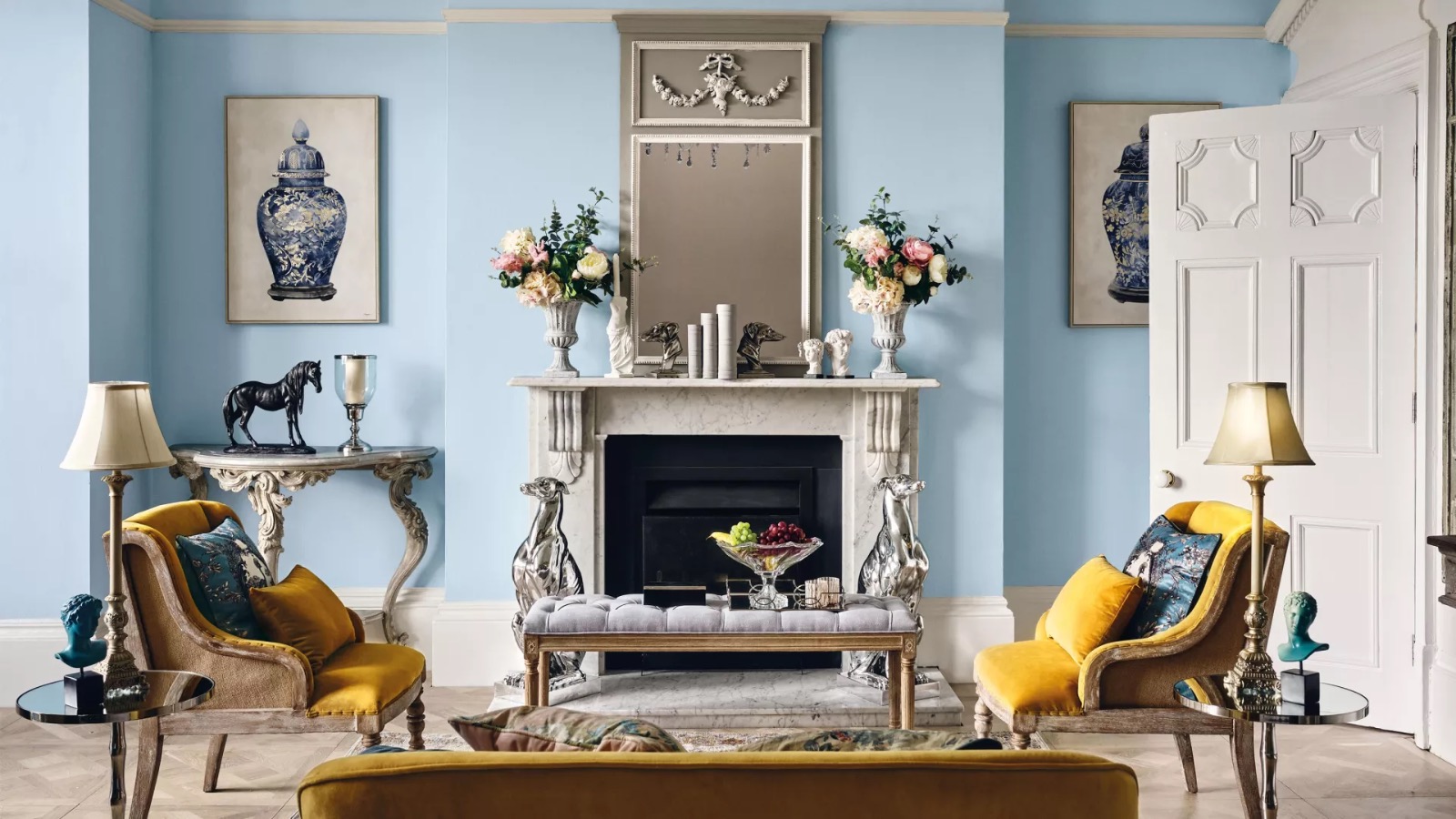
India’s interiors in 2026 are leaning into warmth, texture and craft — a reaction to years of flat minimalism and an embrace of tactile, sustainable choices that feel lived-in and locally rooted. Expect colour that comforts and surprises, and materials that celebrate natural processes, recycled content and honest finishes. Here’s a practical guide to what’s trending and how to use it in Indian homes.
1. The colour story: warmer, moodier, but balanced
Design forecasts and paint brands show a move away from cool grays and washed-out pastels toward grounded greens, warm browns, teal and richer jewel tones — used either as single bold “drenches” or as layered accents. Expect to see teal and blue-greens framed with warm woods and brass, plus earthy ochres, tobacco and terracotta that pair naturally with Indian sunlight and timber. Paint houses are also promoting palettes that combine these things for calm yet confident rooms.
How to use it in India
- Feature walls in muted teal or “hidden gem” blue-green behind a teak sofa.
- Combine terracotta/ochre with soft creams and natural jute for living rooms that read warm and modern.
- Try “colour-capping”: paint trim, doors and built-ins the same hue in varying tones to make compact Bangalore or Mumbai flats feel cohesive.
2. Material trends: natural, recycled & bio-based
Materials are trending toward low-impact and high-texture: reclaimed and engineered woods, clay/earth plasters, lime and marble dust finishes, cork and cork composites, mycelium or plant-based leathers and recycled surface products. These offer tactile warmth and often improve indoor air quality — a big plus in urban Indian homes.
Practical Indian applications
- Replace gypsum skim with clay plaster in bedrooms to improve breathability and reduce VOCs.
- Use reclaimed teak or engineered walnut for cabinets — long-lasting and visually rich.
- Rugs, cushions and curtains in handloom cotton, linen and jute anchor the palette while supporting local crafts.
3. Texture & finish: sensory surfaces win
2026 favours texture over high-gloss minimalism: tadelakt-style lime finishes, Venetian plasters, textured paints, woven wallcoverings and matte, soft-touch paints. Acoustic-conscious materials (felt panels, cork) are also rising as urban apartments demand better sound control. These finishes work brilliantly with Indian artisanal traditions and can be blended with modern joinery.
Quick tip: Add a textured plaster panel behind a TV or headboard rather than a busy print; it reads luxe and reduces echo.
4. Heritage meets modern: “Modern Heritage”
Designers are mixing restored/handcrafted elements (carved jalis, inlay, antique brass) with contemporary silhouettes and saturated colours. This layered approach — call it Modern Heritage — lets Indian homes feel personal and timeless rather than strictly period or strictly modern. Use a single heirloom piece as an anchor and harmonise finishes around it.
5. Sustainable & local sourcing: not just a buzzword
Buyers are prioritising durable, repairable items and locally produced textiles and furniture. Materials like cork, recycled composites and bio-based leathers are becoming commercially viable; Indian brands and craftsmen are already integrating these in furniture, wall panels and decorative elements. This reduces embodied carbon and supports supply chains closer to home.
Where to start: ask suppliers for reclaimed timber grading, certifications (FSC or equivalent), and low-VOC paint options.
6. Small-space strategies for Indian flats
- Colour-blocking: use darker hues on lower half of walls or cabinetry to visually anchor rooms.
- Built-ins in warm wood painted inside in a contrasting jewel tone create depth and hide clutter.
- Multi-textured micro-zones (matte paint, jute rug, hammered brass lamp) make a single room feel layered and intentional.
Quick palette & material pairings you can try
- Teal + Warm Walnut + Brass → modern, calming family living.
- Terracotta + Cream + Woven Jute → sunlit Bengaluru/Mumbai lounges.
- Forest green + Stone plaster + Reclaimed teak → grounded, heritage-forward study.
- Muted ochre + Cork flooring + Linen drapes → quiet bedrooms with acoustic benefits.
Finishing notes (maintenance & budget)
- Natural plasters and clay finishes need simple, dry dusting and occasional waxing — they’re forgiving and age beautifully.
- Reclaimed wood: seal appropriately (oil or penetrating sealer) to avoid pests and stains.
- Sustainable/novel materials (mycelium panels, algae composites) are still premium — mix them with conventional materials to control cost.
Final takeaways
2026 in Indian interiors is about warmth, tactility and authenticity: richer but natural colour palettes, textures that invite touch, and materials that tell a story — often sustainable and locally sourced. Use colour courageously but pair it with honest materials and layered textures to keep spaces timeless and practical.