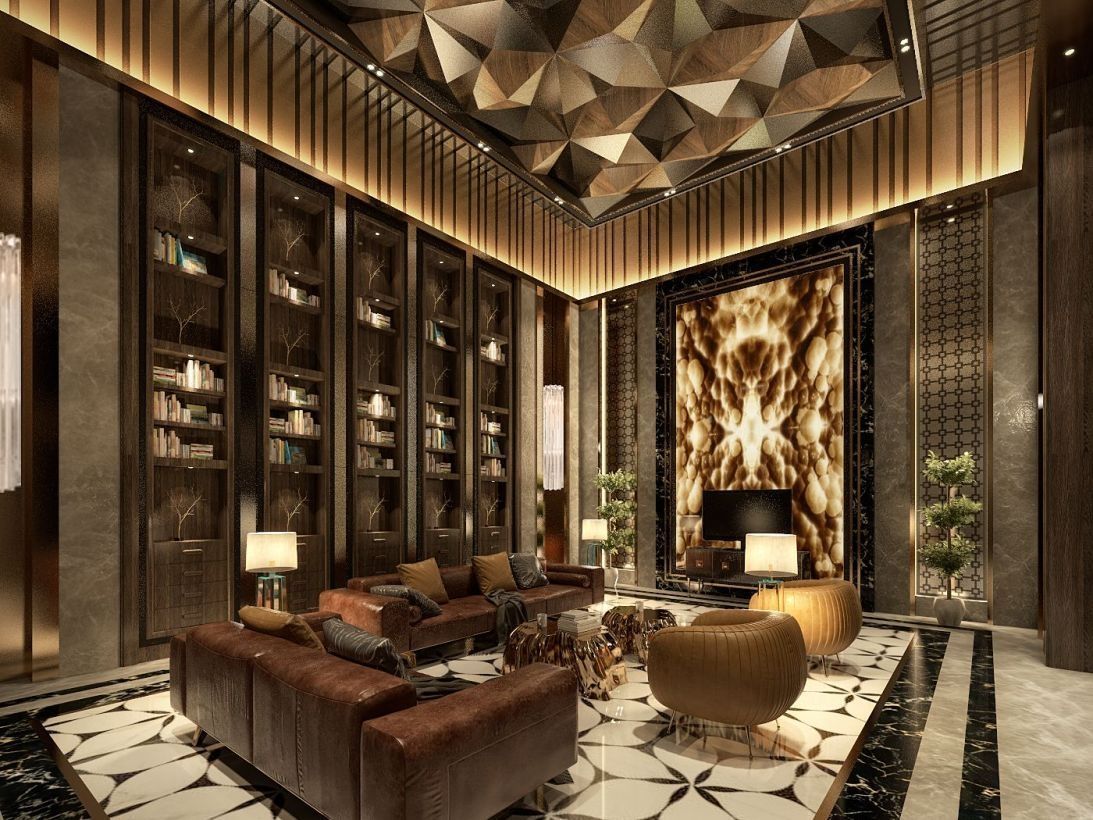
Eco-Friendly Interior Design is no longer just a trend - it has become a lifestyle choice. Today’s homeowners want spaces that not only look beautiful, but also support sustainability, wellness, and a healthy environment. By choosing the right materials, finishes, and design methods, you can create a greener home without compromising on style or comfort.
Why Eco-Friendly Interior Design Matters
Our homes impact the environment more than we realise. From furniture and paint to lighting and flooring - every element carries an ecological footprint. Eco-Friendly Interior Design encourages us to rethink what we buy and how it affects the planet. Sustainable choices protect natural resources, reduce waste, and create healthier indoor environments for families.
This approach benefits:
- Energy efficiency
- Long-term savings
- Indoor air quality
- Planet protection
- Responsible consumption
Key Sustainable Design Choices for Modern Homes
1. Choose Sustainable Materials
Using natural, renewable or recycled materials makes a big difference. Some great options are:
- Bamboo instead of hardwood
- Reclaimed wood for furniture
- Cork flooring
- Natural stone
- Jute / hemp fabrics
These materials are durable, stylish and reduce environmental impact.
2. Adopt Low-VOC & Non-Toxic Finishes
Traditional paints and polishes release harmful chemicals. Switching to low-VOC paints, natural polishes, and water-based finishes improves indoor air quality.
This reduces respiratory issues, allergies, and long-term toxins inside the home.
3. Energy-Efficient Lighting & Appliances
LED lighting reduces electricity consumption drastically. Pairing this with natural light planning - large windows, skylights, open layouts - reduces dependency on artificial lighting.
Eco-Friendly Interior Design also promotes:
- Solar panels
- Smart thermostats
- Energy-star rated appliances
4. Upcycling Over Buying New
Instead of replacing old furniture, refurbishing and repurposing gives items new life - these pieces often turn into unique statement decor.
Some examples:
- Old trunks become coffee tables
- Wooden crates become shelves
- Vintage doors become headboards
5. Indoor Plants and Natural Decor
Plants are the easiest way to make the home greener - literally and sustainably. They purify air, elevate mood, and bring natural texture to interiors.
You can use:
- Indoor palms
- Money plant
- Aloe vera
- Areca palm
- Snake plant
Minimalist Design for Sustainable Living
Minimalism is the backbone of Eco-Friendly Interior Design - “less but better”. Avoiding excess reduces waste, saves money, and creates calm.
This focuses on:
- Multifuntional furnitur
- Compact storage
- Clean aesthetics
- Intentional buying
Conclusion
Creating a sustainable home is not difficult - it is about conscious choices. Eco-Friendly Interior Design transforms spaces into healthier, greener, and more meaningful living environments. By choosing natural materials, using energy-efficient elements, and avoiding waste, your home can look stylish while also caring for the planet.
The future of interiors is green. Every small sustainable change today becomes a huge positive impact tomorrow.